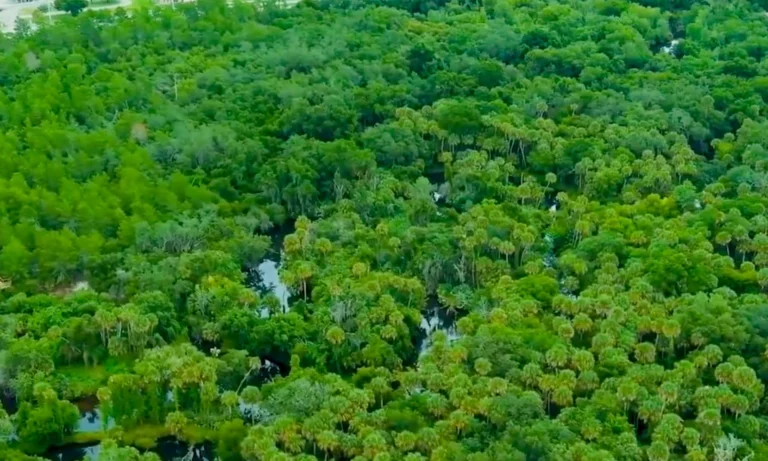

Stenotaphrum Secundatum (Walter) Kuntze (The Resilient St. Augustine Grass)
It is characterized by dark green broad flat blades. The grass grows above-ground runners or stolons that spread quickly. From these, a thick and lush lawn is produced. St. Augustine Grass thrives in tropical and subtropical climate. It flourishes in moist ecosystems, such as lagoons, marshes and shorelines.
Global Reach and Growth
It is found in the Southeastern United States, Texas, and Central America. It is also found in South America, the Caribbean and Mediterranean regions. It escaped cultivation in California and Hawaii and spread to the pacific islands, South Africa, and New Zealand. Warm and humid areas are the best for its growth.
Characteristics and Care
St. Augustine grass grows densely and helps in weed control. The grass is drought resistant due to its deep roots. It does best in sandy, well drained soils. Regular mowing maintains 2 to 4 inch height. It requires balanced irrigation to keep from over-watering. To achieve a vibrant colour, It is recommended to fertilize monthly during active growth time. The grass is resistant to pests, but fungal diseases need to be observed closely.
Uses and Benefits
St. Augustine is valued by homeowners for durable lawns. It withstands work well foot traffic. In coastal areas it helps in erosion control. Its thick mat helps stabilize loose sandy soils. It is also used for aesthetics in golf courses and parks. Its Growth rate is high, and bare patches are healed quickly.
Challenges
St. Augustine is unpredictable in the cold areas. It requires replanting in the colder regions. Invasive chinch bugs are known to patch out. Soils that are too wet cause root rot. Adequate drainage, pest control, and root rot systems must be in place.
Environmental Impact
Brackish marshes are productive and offer salty coastal areas. However, its spread can disturb local plants. Careful management prevents this ecological disturbance. Its tropical attractiveness and hardy nature render it a favorite grass in the tropics.”